
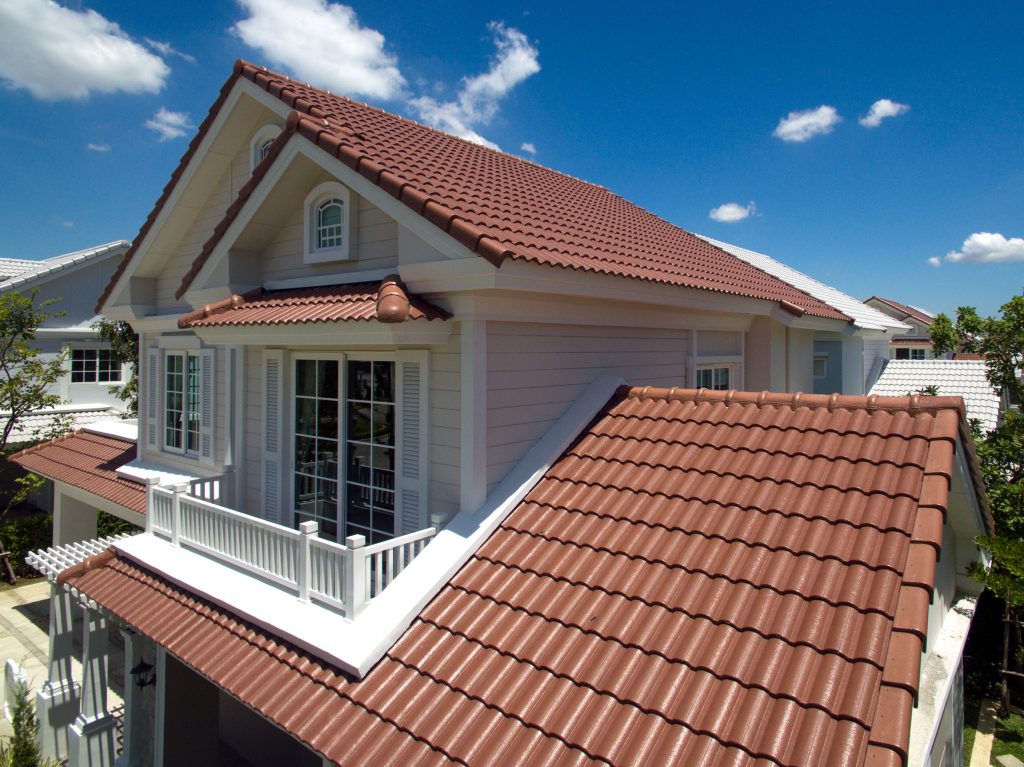
When deciding between a flat roof and a pitched roof, homeowners must consider several critical factors, including cost, maintenance, and durability. Each roofing style offers unique advantages and challenges that can significantly impact the long-term performance and expenses associated with the home.
In terms of initial cost, flat roofs generally tend to be less expensive to install compared to pitched roofs. The construction process for flat roofs is simpler and requires fewer materials such as framing lumber or complex trusses. Because they have minimal slope, flat roofs use fewer shingles or tiles per square foot than pitched roofs do. This reduced material requirement often results in lower labor costs as well since installation is quicker and less complicated. However, it’s important to note that while upfront costs are typically lower for flat roofs, this does not always translate into overall savings over time.
Maintenance requirements differ considerably between the two types of roofing systems. Flat roofs demand more frequent upkeep because their low slope causes water to drain slowly or pool on the surface. Standing water increases the risk of leaks and accelerates wear on roofing membranes or coatings used in many flat roof designs. Regular inspections are necessary to identify cracks, blisters, or punctures early so repairs can prevent more significant damage. In contrast, pitched roofs naturally facilitate efficient water runoff due to their steep angles; rainwater quickly flows off without lingering on the surface. This reduces moisture-related issues like mold growth or rot beneath shingles but does not eliminate maintenance altogether-pitches still require periodic inspection for damaged shingles or flashing problems.
Durability is another key consideration when comparing these two styles of roofing systems. Pitched roofs generally offer superior longevity because they effectively shed snow and debris while minimizing exposure to standing water conditions that degrade materials faster over time. They also provide better ventilation options within attic spaces which helps regulate temperature extremes affecting structural integrity. On the other hand, modern flat roof technologies have improved significantly with advanced waterproof membranes such as EPDM rubber or TPO that extend service life beyond what was once typical decades ago; however, these still tend to last shorter periods than traditional sloped asphalt shingle installations if not meticulously maintained.
Ultimately choosing between a flat roof vs pitched roof comes down to balancing budget constraints with lifestyle needs and environmental factors like climate patterns where one lives. Flat roofs might appeal due to aesthetic preferences especially in contemporary architectural designs but require commitment toward regular maintenance schedules ensuring durability over years ahead whereas pitched roofs provide tried-and-true resilience albeit at higher installation costs initially but potentially lower lifetime repair bills given proper care.
Understanding these distinctions allows homeowners informed decisions aligned with both financial planning goals and expectations regarding ease of upkeep along with how long they want their investment in roofing infrastructure to endure under varying weather conditions encountered throughout seasons each year.


