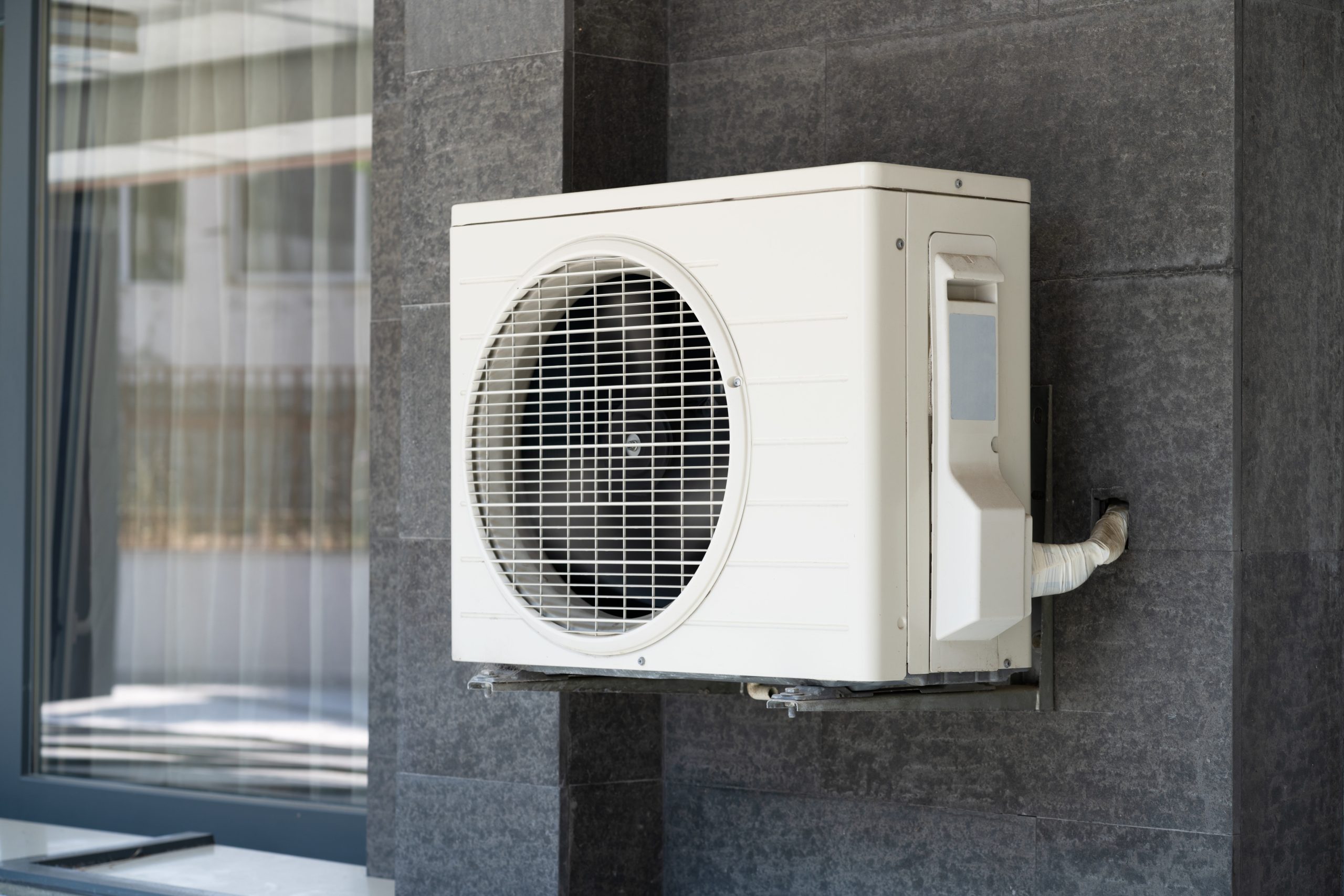
Air conditioners play a crucial role in enhancing indoor comfort throughout the year by regulating temperature, humidity, and air quality. Their primary function is to cool indoor spaces during hot weather, making living and working environments more comfortable. By removing excess heat from the air inside a building and expelling it outside, air conditioners help maintain a consistent and pleasant temperature regardless of outdoor conditions. This cooling effect not only alleviates discomfort caused by high temperatures but also reduces the risk of heat-related illnesses such as heat exhaustion or heat stroke.
Beyond cooling, modern air conditioning systems offer additional benefits that contribute to overall indoor comfort. Many units are equipped with humidity control features that help balance moisture levels in the air. Excessive humidity can make rooms feel warmer than they actually are and promote mold growth or dust mites, which can trigger allergies or respiratory problems. By reducing humidity, air conditioners create a drier environment that feels cooler and healthier for occupants.
In colder months, some advanced air conditioning models include heating functions through heat pump technology. This dual capability allows users to switch between cooling in summer and heating in winter using the same system. Heat pumps work by reversing their find out refrigeration cycle to extract warmth from outside air even at lower temperatures and transfer it indoors efficiently. This versatility makes them an energy-efficient alternative to traditional furnaces or space heaters while maintaining comfortable temperatures year-round.
Air circulation is another important factor influenced by air conditioners that improves indoor comfort. These systems continuously move filtered air throughout rooms, preventing stagnant pockets where odors or pollutants might accumulate. Improved airflow helps distribute conditioned air evenly across all areas rather than concentrating it near vents alone. Additionally, many units incorporate filters designed to capture airborne particles such as dust, pollen, pet dander, smoke, and other allergens commonly found indoors. Cleaner filtered air contributes significantly to better respiratory health for residents with sensitivities or asthma.
Energy efficiency has become a key consideration in modern HVAC design because maintaining ideal indoor conditions should not come at excessive operational costs or environmental impact. Newer models feature smart thermostats and variable-speed compressors that adjust cooling output based on real-time demand rather than running at full power constantly. These technologies reduce electricity consumption while preserving optimal comfort levels automatically.
In summary, air conditioners improve indoor comfort year round by controlling temperature extremes during both hot summers and cold winters when equipped with heating options; managing humidity; enhancing ventilation; filtering harmful particles; and doing so efficiently through advanced technology innovations designed for user convenience as well as sustainability goals within homes or commercial buildings alike.