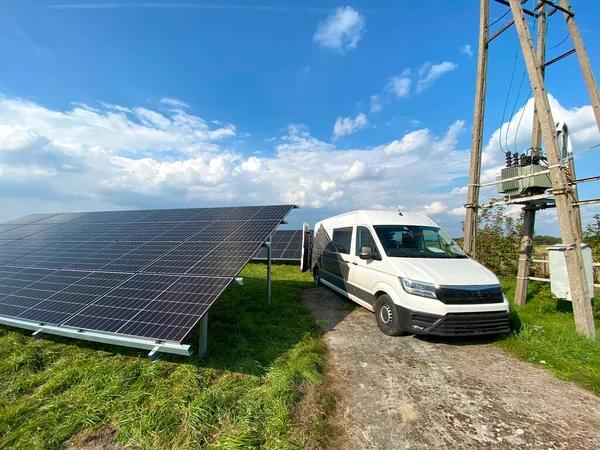
Solar installation and maintenance play a crucial role in ensuring the long-term performance of photovoltaic systems. Proper installation begins with selecting high-quality solar panels, inverters, and mounting equipment that meet industry standards. The location and orientation of the panels must be carefully assessed to maximize sunlight exposure throughout the day. Factors such as roof angle, shading from nearby trees or buildings, and geographic latitude influence energy production significantly. A professional installer will conduct a thorough site evaluation before proceeding to ensure optimal placement. During installation, attention to detail is essential for securing panels firmly to withstand weather conditions like wind and snow loads. Electrical connections should comply with safety codes while minimizing resistance losses that can reduce system efficiency.
Once installed, regular maintenance helps preserve system output and extends lifespan. Cleaning solar panels periodically removes dust, dirt, bird droppings, and other debris that block sunlight absorption. While rain can wash off some grime naturally, manual cleaning may be necessary in dry or polluted environments; however, using gentle methods avoids scratching the panel surface or damaging protective coatings. Monitoring system performance through software tools allows owners or technicians to detect anomalies early on-such as drops in voltage or current-which might indicate component failures mens beach robe or wiring issues needing prompt repair.
Inverter upkeep is equally important since it converts direct current generated by the panels into usable alternating current for homes or businesses. Inverters typically have shorter lifespans than solar modules and may require replacement every 10 to 15 years depending on quality and usage patterns. Keeping ventilation clear around inverter units prevents overheating that could degrade performance over time.
Properly maintained solar installations not only sustain higher energy yields but also contribute positively toward reducing carbon footprints by providing reliable renewable power for decades. Investing time in routine inspections ensures potential problems are addressed before they escalate into costly repairs or downtime periods.
Additionally, warranty coverage often depends on adherence to recommended maintenance schedules outlined by manufacturers; neglecting these guidelines risks voiding guarantees which protect consumers against premature failures.
Overall, achieving long-term success with solar energy demands a commitment both during initial setup and throughout ongoing care routines.